
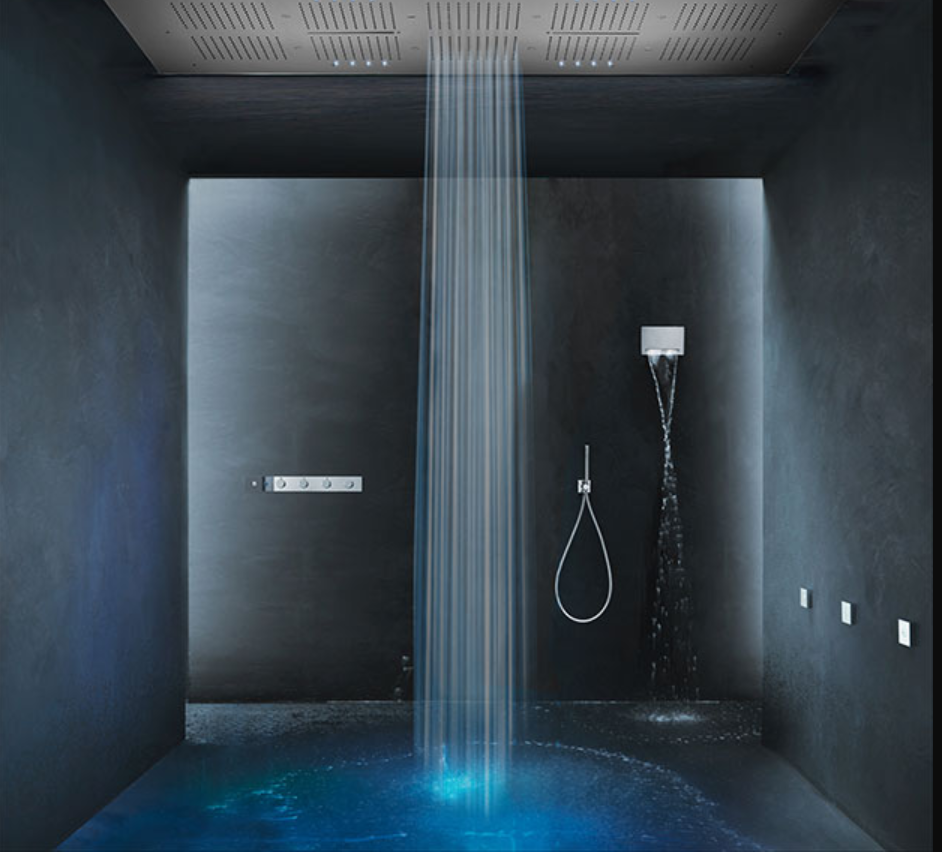
A well-designed bathroom should be comfortable, practical, and easy to maintain. Every fixture contributes to that experience, but the shower area is one of the most frequently used parts of the room. Choosing the right Shower Head can influence water coverage, comfort, appearance, cleaning, and even everyday water consumption.
With so many designs available, selecting a suitable option can feel confusing. Some homeowners prefer a simple fixed fixture, while others want a handheld design, a rainfall experience, or a combination system. There are also models designed for stronger spray, efficient water use, adjustable settings, and modern bathroom aesthetics.
The best choice is not necessarily the largest, most expensive, or most decorative option. Instead, it should match the bathroom layout, available water pressure, plumbing connection, personal preferences, and maintenance requirements.
This guide explains the different types available, important features to consider, material choices, installation considerations, cleaning methods, maintenance advice, design ideas, and common buying mistakes. Whether you are replacing an old fixture or designing a completely new bathroom, these details can help you make a practical decision.
What Is a Shower Head?
A Shower Head is a bathroom fixture that distributes water from the plumbing system through a series of openings or spray outlets. It is usually connected to a shower arm that extends from a wall or ceiling.
The fixture controls how water reaches the user. Depending on its construction, it can create a concentrated stream, wide spray, massage pattern, soft flow, or rainfall-style effect.
Modern products are available in many sizes, shapes, materials, and finishes. Some are designed for simple everyday use, while others include several spray settings and additional functions.
Although appearance is important in a modern bathroom, performance should also be considered. A fixture that looks attractive but does not work properly with the home’s water pressure may not provide the desired experience.
Why Choosing the Right Shower Fixture Matters
The shower is used regularly, so even a small improvement can make a noticeable difference to everyday comfort. The right fixture can provide balanced coverage and make the showering experience more convenient.
Water pressure is one of the most important considerations. A large overhead design may require suitable pressure to provide the expected performance. In a home with lower pressure, a smaller or pressure-optimized model may be more appropriate.
Spray coverage is another important factor. A narrow spray can be useful for concentrated water delivery, while a wider pattern can cover more of the body.
Maintenance should also be considered. In areas with hard water, mineral deposits can collect around the spray openings. Choosing a model with easy-clean nozzles can make regular care easier.
Different Types of Shower Fixtures
There are severalShower Head major categories to consider when shopping for a bathroom fixture. Each design has different characteristics, advantages, and possible limitations.
The most common choices include fixed, handheld, rainfall, dual, high-pressure, and low-flow models.
Understanding these categories helps narrow down your options before you compare individual products.
Fixed Designs
A fixed Shower Head remains attached to the shower arm and directs water toward the user. This is one of the most traditional and widely used arrangements.
Fixed models are generally simple to operate. They can be suitable for homeowners who prefer a clean installation without additional hoses or moving parts.
They are available in different sizes and spray patterns. Some provide one basic spray, while others allow users to switch between several patterns.
A fixed model can work particularly well in smaller bathrooms because it does not require additional storage or wall space for a handheld handle.
Handheld Designs
A handheld fixture is attached to a flexible hose and can be lifted from its holder. This provides more control over the direction of water.
This type can be useful for families because the user can direct water to specific areas. It can also make rinsing the shower walls, washing children, or cleaning the enclosure more convenient.
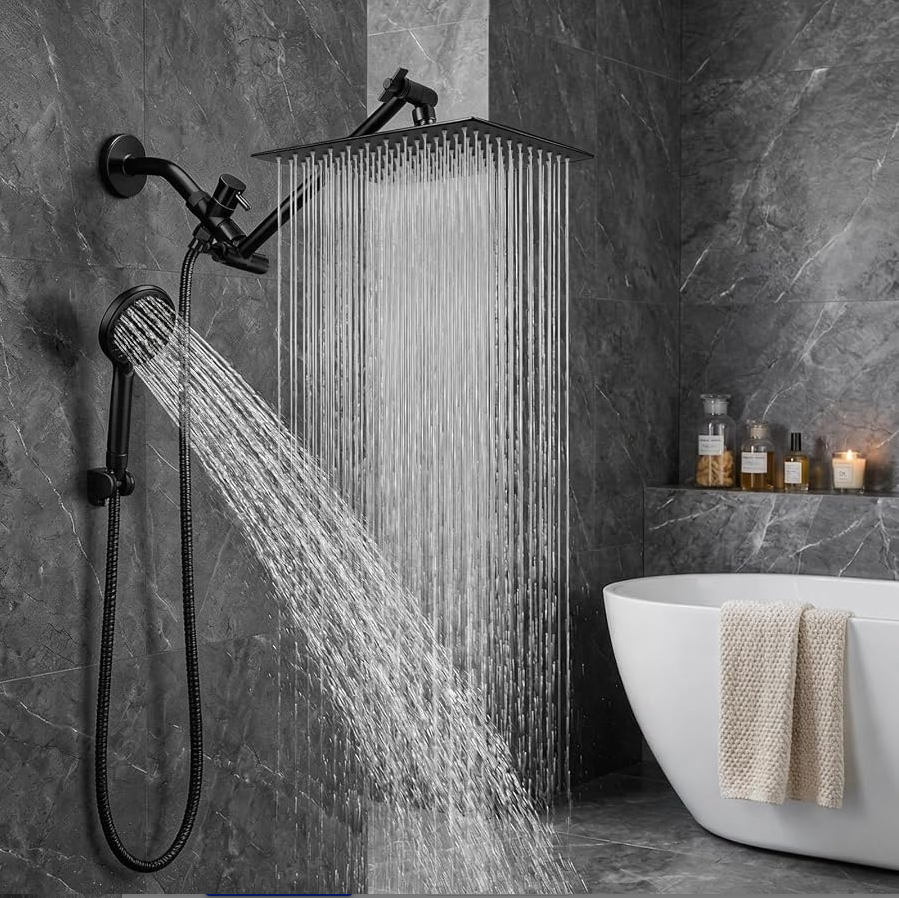
A handheld model can be installed by itself or combined with a fixed fixture. When choosing one, consider hose length, holder position, handle weight, spray settings, and connection compatibility.
The holder should be positioned at a comfortable height so that the handle is easy to reach and return after use.
Rainfall Designs
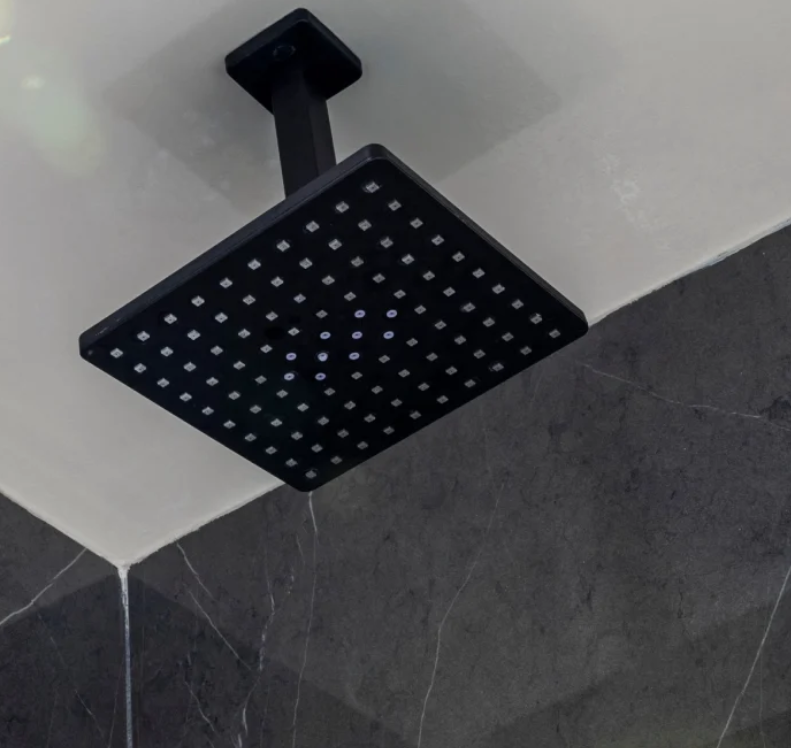
Rainfall fixtures Shower Head are designed to create a broad spray that falls over the user from above. They are often associated with modern and luxury bathroom designs.
Rainfall fixtures are designed to create a broad spray that falls over the user from above. They are often associated with modern and luxury bathroom designs.
are designed to create a broad spray that falls over the user from above. They are often associated with modern and luxury bathroom designs.
Large overhead models can provide a relaxing experience because the water covers a wider area. Ceiling-mounted versions create a direct downward flow, while some wall-mounted versions use an extended arm to position the fixture farther from the wall.
However, larger fixtures should be matched with suitable water pressure. Their performance can vary depending on plumbing conditions and flow rate.
Rainfall designs are especially suitable for spacious walk-in showers where there is enough room for broad water coverage.
Dual Systems
A dual system combines two water outlets, usually a fixed fixture and a handheld unit. This arrangement provides more flexibility than using either type alone.
The fixed component can provide a consistent spray, while the handheld component can be directed wherever needed.
Dual systems can be useful for families with different preferences. One person may prefer a wide spray, while another may want the flexibility of a handheld handle.
Before installation, check whether the system requires a diverter valve and whether the existing plumbing can support the configuration.
High-Pressure Options
A high-pressure Shower Head is designed to create a stronger-feeling water spray. It may be considered when the existing shower experience feels weak.
However, the fixture cannot always solve an underlying plumbing issue. Water pressure can be affected by pipes, valves, supply conditions, restrictions, and other fixtures operating at the same time.
If pressure has recently dropped, investigate the cause before assuming that the fixture needs to be replaced.
A pressure-focused model can be useful when the plumbing is functioning normally but the existing spray does not feel strong enough.
Low-Flow Options
Low-flow fixtures are designed to limit the amount of water delivered while maintaining a useful shower experience.
They can be attractive to homeowners who want to reduce water consumption. When hot water is being used, reducing water demand can also reduce the amount of water that needs to be heated.
The quality of the spray depends on nozzle design and water distribution. A well-engineered efficient model can feel comfortable without producing excessive flow.
When comparing products, look at the stated flow rate and consider how long your household typically spends showering.
How to Choose the Right Shower Head
Selecting the right fixture begins with understanding your own bathroom.
Consider the shower enclosure size, plumbing connection, water pressure, preferred spray pattern, installation location, finish, maintenance needs, and budget.
If the bathroom is small, a compact design may provide better visual balance. If the shower is large, a wider fixture may offer better coverage.
You should also consider who will use the bathroom. A family bathroom may benefit from flexible settings, while a guest bathroom may require only a simple and attractive design.
Consider Water Pressure
Water pressure has a major effect on shower performance. Before purchasing a new fixture, pay attention to how the existing system performs.
If the water pressure is strong, you may have more flexibility when choosing larger or multi-function designs.
If pressure is weak, a fixture designed for lower-pressure conditions may provide a better experience.
A pressure problem affecting several faucets may indicate a broader plumbing issue. In that situation, replacing the shower fixture alone may not solve the problem.
Check Spray Coverage
Spray coverage Shower Head describes how widely water is distributed from the fixture.
A smaller model usually produces a more focused spray. A larger model can cover a wider area, which may feel more comfortable for some users.
The ideal coverage depends on body size, shower enclosure dimensions, installation height, and personal preference.
A fixture should distribute water where it is useful rather than sending water outside the shower area.
Look at Spray Settings
Different spray settings allow users to customize the shower experience. Common options include full spray, concentrated spray, massage patterns, soft spray, and combination modes.
Multiple settings can be helpful when several people share a bathroom.
However, additional settings are not automatically better. If you prefer simplicity, a single well-designed spray may be enough.
Controls should also be easy to understand and operate with wet hands.
Check Plumbing Compatibility
Before buying a new fixture, check the existing connection and shower arm.
Many residential fixtures use common connection sizes, but compatibility should always be confirmed rather than assumed.
If you are installing a handheld or dual system, additional components may be required.
For a renovation involving new plumbing, the installation can be planned around the chosen design. For a basic replacement, selecting a compatible fixture can reduce installation work.
Materials and Construction Quality
Material choiceShower Head affects durability, weight, appearance, and maintenance.
Common materials include stainless steel, brass, plastic, and combinations of different materials.
Stainless steel is popular because it provides a clean appearance and good resistance to moisture. Brass is often selected for plumbing components because of its strength.
Plastic can be lightweight and affordable. Quality varies, so construction should be considered rather than judging a product only by its material label.
The quality of internal parts, connections, seals, and spray nozzles can be just as important as the outer finish.
Stainless Steel Fixtures
Stainless steel can create a clean and contemporary appearance. It works especially well with modern bathroom styles.
The surface is generally easy to wipe clean and can complement other stainless or metallic fixtures.
When selecting stainless steel, check the overall construction and finish. A high-quality surface should maintain its appearance with appropriate care.
Brass Fixtures
Brass is commonly used in bathroom plumbing components and can provide a strong, substantial feel.
It is available in different decorative finishes, including polished, brushed, and darker tones.
If the bathroom uses brass faucets or hardware, matching the finishes can create a more coordinated appearance.
Care should follow the manufacturer’s instructions because some decorative finishes require gentler cleaning methods.
Plastic Fixtures
Plastic models can be useful when affordability and lightweight construction are priorities.
They are available in many styles and can be practical for basic bathroom installations.
Before purchasing, inspect the connection quality, nozzle construction, adjustment controls, and overall build.
A low-cost product can be a reasonable choice when it provides dependable performance and fits the existing plumbing.
Water-Saving Features
A modern Shower Head can include features intended to control water flow without making the experience uncomfortable.
Specially designed nozzles can distribute water efficiently. Some models also include flow-control functions or different settings that allow users to reduce unnecessary water use.
Flow rate should be considered when comparing products because two fixtures with similar appearances can use different amounts of water.
Water-saving features can be particularly useful for households that want to manage water consumption while maintaining everyday comfort.
Choosing the Right Size
Size should match the bathroom and shower enclosure.
A very large fixture can become visually dominant in a small bathroom. It may also create more spray than the enclosure can comfortably contain.
Medium-sized fixtures can provide a balance between coverage and practicality.
Large overhead designs are generally better suited to spacious shower areas where the water can remain inside the enclosure.
Wall-Mounted vs. Ceiling-Mounted Designs
Wall mounting Shower Head is one of the simplest arrangements and is often suitable for replacement projects.
Ceiling mounting creates a more direct overhead effect and can look especially attractive in modern walk-in showers.
However, ceiling installation may require additional plumbing work. If the existing water line is not positioned for a ceiling outlet, installation can become more complicated.
Think about the complete bathroom construction before choosing the mounting location.
Modern Bathroom Design Ideas
The shower fixture can become part of the bathroom’s visual design.
Chrome finishes can create a bright and familiar appearance. Brushed finishes can provide a softer look, while matte black can complement contemporary interiors.
The shape also matters. Round fixtures can work well with softer design elements, while square and rectangular shapes can complement modern straight lines.
Try to coordinate the finish with faucets, cabinet hardware, towel bars, and other metal details.
A consistent design usually creates a more polished bathroom.
How to Install a Shower Head
Installing a Shower Head can be relatively simple when replacing an existing compatible model.
The old fixture is normally removed from the shower arm. The connection should then be inspected and cleaned before attaching the new fixture.
Follow the manufacturer’s instructions regarding sealing materials and tightening.
Avoid excessive force because overtightening can damage threads or components.
If the installation requires moving pipes, changing wall plumbing, adding a ceiling connection, or making structural modifications, professional assistance may be appropriate.
How to Clean a Shower Head
Mineral buildup Shower Head is one of the most common reasons a fixture begins to perform poorly.
Hard-water deposits can collect around the spray openings and restrict water flow. Over time, this can create uneven spray patterns.
Regular cleaning can help prevent heavy buildup.
Flexible rubber nozzles can often be wiped or gently rubbed to remove deposits. For deeper cleaning, follow the manufacturer’s instructions.
Avoid abrasive tools and harsh chemicals that could damage the finish.
Cleaning regularly is usually easier than waiting until most of the openings become blocked.
Signs It Needs Replacement
A Shower Head may eventually need replacement because of age, damage, corrosion, leaking, or declining performance.
Signs can include persistent dripping, uneven spray, blocked openings, cracked plastic, damaged threads, or difficulty changing spray settings.
However, not every problem requires complete replacement.
Sometimes mineral buildup can be removed, a washer can be replaced, or a connection can be resealed.
If cleaning and basic maintenance do not restore performance, replacement may be the more practical option.
Maintenance Tips for Better Performance
Regular maintenance Shower Head can extend the useful life of bathroom fixtures.
Wipe the surface periodically to remove soap residue and water marks. Clean the spray nozzles when mineral deposits become visible.
Check connections for leaks. If you use a handheld system, inspect the flexible hose for cracks or deterioration.
Do not use rough abrasive pads on decorative finishes.
Good bathroom ventilation is also important because excessive moisture can affect other components in the shower area.
Common Buying Mistakes
One common Shower Head mistake is buying a fixture based only on appearance.
A beautiful design may not provide the spray pattern or water pressure you prefer.
Another mistake is ignoring the existing plumbing connection. Compatibility problems can create unnecessary installation costs.
Some buyers also choose very large models without considering the size of the shower enclosure.
Another issue is ignoring maintenance. If your home has hard water, easy-clean nozzles may be particularly useful.
Finally, buying solely on the lowest price can sometimes lead to poor construction or shorter service life.
Best Choices for Small Bathrooms
Small bathrooms require careful attention to scale.
A compact fixed fixture can provide adequate coverage without taking up unnecessary visual space.
A handheld design can also work well because it offers flexibility without requiring a large overhead installation.
Avoid selecting an oversized model simply because it looks impressive in photographs. The fixture should complement the dimensions of the shower.
Simple shapes and coordinated finishes can help the space feel cleaner and more organized.
Best Choices for Walk-In Showers
Walk-in showers Shower Head generally offer more design flexibility than enclosed compact units.
A large rainfall fixture can create broad coverage, while a handheld option adds convenience.
A dual arrangement can provide both functions in one shower area.
The position of the controls should also be planned carefully. Ideally, the user should be able to turn on the water without standing directly beneath the cold spray.
Drain placement, glass panels, wall niches, bench seating, and lighting should all be considered as part of the complete shower design.
Accessibility Considerations
A comfortable bathroom Shower Head should be usable by people with different physical needs.
A handheld fixture can offer additional control because the user can bring the spray closer instead of relying on a fixed position.
Adjustable holders can also provide more flexibility.
The controls should be easy to reach and operate. In an accessible bathroom, installation height and fixture position should be planned according to the user’s requirements and applicable building standards.
Other features such as grab bars, shower seating, non-slip surfaces, and organized storage can further improve accessibility.
Choosing the Right Installation Height
Installation height affects how comfortably water reaches the user.
A fixed fixture should be high enough to accommodate the tallest regular user while still providing useful spray coverage.
A handheld unit offers more flexibility because the handle can be moved.
There is no single height that works perfectly for every bathroom. Household height, fixture type, shower design, and user preferences all matter.
During a renovation, carefully planning the position before completing the plumbing can prevent future adjustments.
Round or Square Design?
The choice between round and square designs is largely based on appearance and personal preference.
Round shapes often provide a softer and more traditional appearance.
Square and rectangular fixtures can work well with contemporary bathrooms that feature straight lines and geometric surfaces.
Performance should not be judged by shape alone. Internal components, nozzle arrangement, water pressure, and flow rate have a greater effect on functionality.
Choose a shape that complements the rest of the bathroom.
Features Worth Considering
Useful features depend on your routine.
Adjustable spray patterns can provide flexibility. A swivel connection can make it easier to direct water. Easy-clean nozzles can reduce maintenance.
Handheld functions are useful when users need greater control.
Flow-control features may help reduce water use during tasks such as shampooing.
Some premium models include numerous additional functions, but it is worth asking whether you will actually use them.
A simpler fixture with reliable construction can sometimes be more practical than a complicated product with features that remain unused.
Creating a More Luxurious Shower Experience
A luxury bathroom does not necessarily require an extremely expensive fixture.
A comfortable water pattern, coordinated finishes, good lighting, clean surfaces, and organized storage can make the shower area feel significantly better.
A rainfall design can create a relaxing atmosphere. A handheld unit can provide flexibility.
A built-in wall niche can keep shampoo and soap organized, while quality glass panels can make the space feel open.
Good ventilation is also important because a clean, dry bathroom generally feels more comfortable.
The overall environment matters as much as the individual fixture.
Water and Energy Efficiency
Water efficiency is an important consideration for modern bathrooms.
When a household uses less hot water, the water-heating system has less work to do. Actual savings depend on shower duration, household size, water-heating technology, and local utility costs.
Look at flow-rate information when comparing products.
An efficient fixture should still provide useful coverage and comfortable water distribution.
Small changes in shower habits combined with an appropriately designed fixture can help reduce unnecessary water consumption.
When Should You Replace the Fixture?
There is no fixed replacement schedule that applies to every bathroom.
A well-maintained fixture may continue working for many years.
Replacement may become worthwhile when performance remains poor after cleaning, components are damaged, the finish has deteriorated, or you want newer water-saving features.
Before replacing it, determine whether the problem comes from the fixture itself or the plumbing connection.
A leaking washer or blocked nozzle may be inexpensive to fix.
Buying Checklist
Before purchasing, review the most important factors.
Start with your bathroom size and shower layout. Check the water pressure and connection type.
Decide whether you prefer fixed, handheld, rainfall, dual, high-pressure, or low-flow functionality.
Consider the spray coverage and number of settings.
Compare material quality and finish durability.
Check whether the fixture has easy-clean nozzles if mineral buildup is common in your area.
Review the flow rate if water efficiency matters.
Finally, read the installation and maintenance instructions before making the purchase.
Taking a few minutes to compare these details can prevent compatibility issues and help you select a fixture that fits your bathroom properly.
How to Make the Shower Area More Stylish
The shower area should feel connected to the rest of the bathroom.
Matching metal finishes is one simple way to create consistency. The finish of the fixture can coordinate with faucets, cabinet handles, towel bars, and other hardware.
Tile selection also affects the overall appearance. Large tiles can create a clean contemporary look, while decorative tiles can introduce texture.
Glass shower panels can make smaller bathrooms appear more open.
Wall niches can reduce clutter by giving bottles and toiletries a dedicated location.
Lighting should also be considered. Well-positioned bathroom lighting can improve both function and atmosphere.
Simple vs. Feature-Rich Designs
A simple Shower Head can be ideal for people who prefer straightforward operation and easy maintenance.
Feature-rich products can offer several spray patterns, handheld functions, flow controls, swiveling connections, and other conveniences.
The right choice depends on how the bathroom is used.
A family bathroom may benefit from flexibility, while a guest bathroom may work perfectly with a simple fixed design.
More features can also mean more components to clean or maintain. Therefore, consider useful functionality rather than choosing the longest feature list.
Frequently Asked Questions
How do I choose a Shower Head for low water pressure?
Look for products specifically designed to provide an effective spray under lower pressure. Also check whether the pressure issue affects other fixtures in the home.
Are rainfall designs suitable for everyday showers?
Yes. They can provide a comfortable experience when the water pressure, installation height, and shower size are appropriate.
How often should I clean my shower fixture?
Cleaning frequency depends on usage and water hardness. Homes with hard water may need more frequent cleaning to prevent mineral deposits.
Can I install a handheld fixture without remodeling?
Many handheld models can be connected to existing plumbing, but compatibility should be checked before purchase.
Do large fixtures always use more water?
Not necessarily. Water consumption is mainly influenced by flow rate and usage time, although individual products can have different flow specifications.
Which material is most durable?
Stainless steel and brass are commonly used for durable bathroom components. Overall construction quality is also important.
Are low-flow fixtures comfortable?
A well-designed low-flow product can provide comfortable coverage. Nozzle design and water distribution have a major influence on the experience.
Can mineral buildup affect water flow?
Yes. Mineral deposits can block spray openings and cause uneven or reduced water flow.
Is ceiling mounting better than wall mounting?
They provide different experiences. Wall mounting is often easier for replacements, while ceiling mounting can create a direct overhead rainfall effect.
Can a new fixture improve bathroom appearance?
Yes. The right shape, size, and finish can complement the surrounding bathroom design and create a more coordinated appearance.
Final Thoughts
Choosing the right bathroom fixture requires more thought than simply selecting an attractive design. Water pressure, spray coverage, installation requirements, material, finish, maintenance, efficiency, and bathroom size all affect the final result.
A suitable Shower Head should work well with the existing plumbing and provide the type of water distribution you prefer. Fixed models are simple, handheld options provide flexibility, rainfall designs create broad coverage, and dual systems combine multiple functions.
Before buying, compare the product specifications carefully. Look at flow rate, connection type, spray settings, construction, finish, cleaning requirements, and installation instructions.
A well-chosen fixture can improve everyday comfort while also contributing to the appearance and functionality of the bathroom. With proper cleaning and maintenance, it can remain a useful part of the shower area for a long time.
SEO Details
SEO Title: Shower Head Guide: Types, Features, Installation & Care
Meta Description: Learn how to choose the right Shower Head for your bathroom. Explore types, features, materials, installation, cleaning, water-saving options, and buying tips.
URL Slug: shower-head
Focus Keyword: Shower Head
Secondary Keywords: shower head types, best shower head, rainfall shower head, handheld shower head, fixed shower head, dual shower head, high pressure shower head, low flow shower head, bathroom shower head, water saving shower head, modern shower head, shower head installation, shower head cleaning
Image Alt Text: Modern shower head installed in a stylish contemporary bathroom