
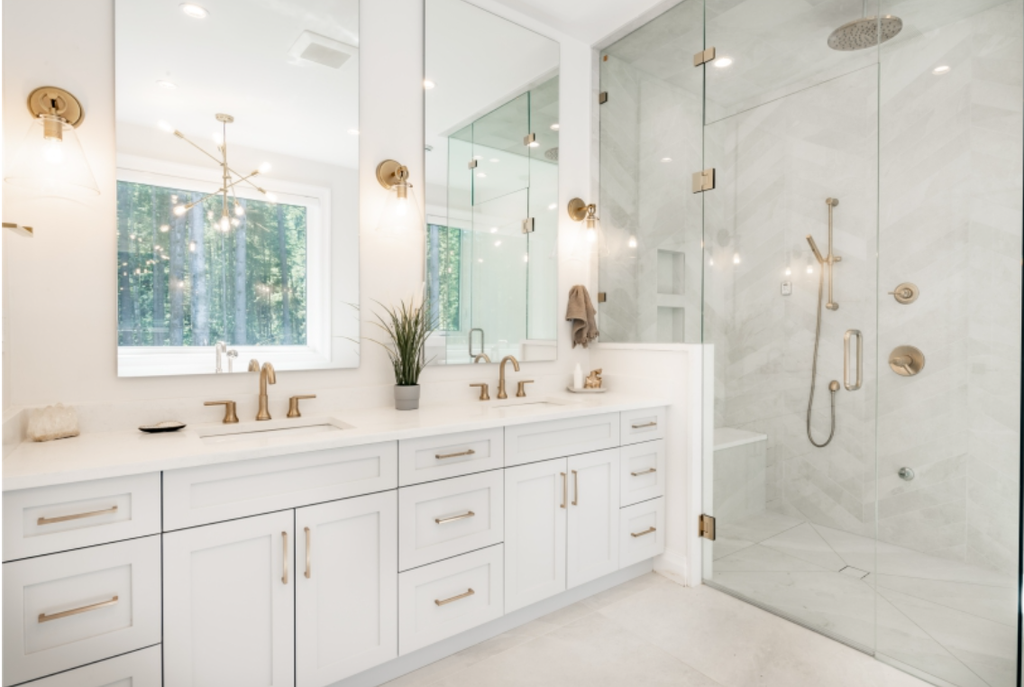
A bathroom cabinet is one of the most useful pieces of furniture in a modern bathroom. It provides valuable storage, helps keep everyday essentials organized, and can also contribute significantly to the overall appearance of the room. From compact wall-mounted cabinets to spacious vanity cabinets, the right storage solution can make a bathroom feel cleaner, more comfortable, and easier to use.
Bathrooms often contain many items, including towels, toiletries, skincare products, cleaning supplies, hair tools, toilet paper, and personal care essentials. Without proper storage, these items can quickly make countertops and shelves look cluttered. A well-designed bathroom cabinet gives everything a practical place while helping maintain a neat appearance.
Choosing the right cabinet involves more than selecting a style that looks attractive. You also need to consider the available space, cabinet dimensions, material, moisture resistance, storage capacity, door style, hardware, installation method, and how the cabinet will work with the rest of your bathroom design.
Whether you are remodeling a large master bathroom, updating a small powder room, or simply looking for additional bathroom storage, understanding your options can make the process much easier.
This guide explores different types of bathroom cabinets, popular materials, useful features, design ideas, installation considerations, organization tips, maintenance advice, and common questions to help you choose a cabinet that works well for your space.
Why a Bathroom Cabinet Is Important
A bathroom cabinet does much more than hide toiletries.
Good bathroom storage can make daily routines easier because frequently used items can be kept within convenient reach. Instead of searching through drawers or leaving products around the sink, you can organize everything according to how often you use it.
Cabinets also help reduce visual clutter. When countertops are covered with bottles, brushes, cosmetics, and other personal items, even a clean bathroom can appear untidy. Closed storage creates a cleaner and more organized appearance.
Another important advantage is that bathroom cabinets can improve the functionality of limited space. A wall-mounted cabinet uses vertical space without taking up as much floor area, while a vanity cabinet can combine sink support, countertop space, and storage in one unit.
The right cabinet can also complement your bathroom’s interior design. Modern, traditional, minimalist, farmhouse, and contemporary bathrooms can all benefit from carefully selected cabinetry.
Types of Bathroom Cabinets
Bathroom cabinets come in many different styles and configurations. The best option depends on the layout of your bathroom, the amount of storage you need, and your preferred design.
Wall-Mounted Bathroom Cabinet
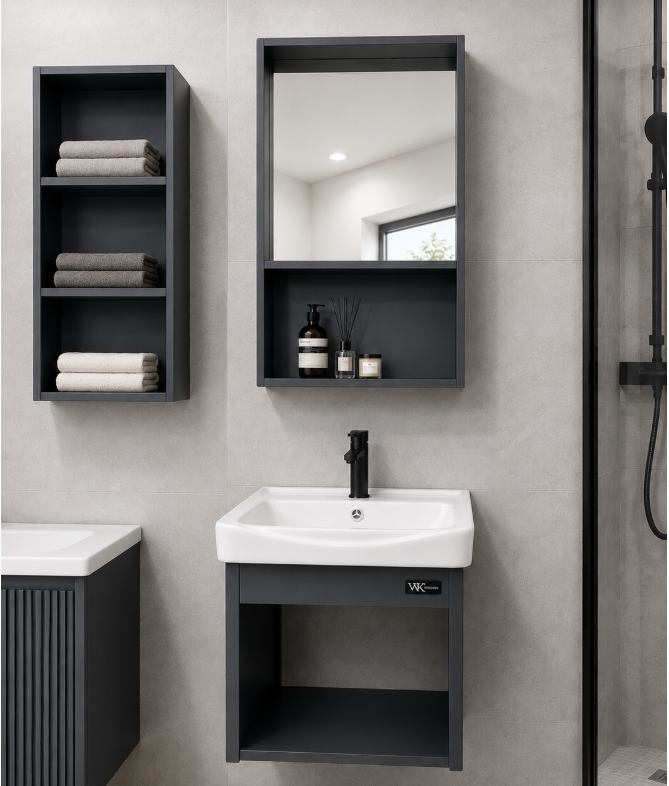
A wall-mounted bathroom cabinet is attached directly to the wall instead of sitting on the floor.
This design can work especially well in smaller bathrooms because it keeps some floor space visible underneath. The open area can make the room feel less crowded.
Wall-mounted cabinets are also popular in contemporary bathroom designs because of their clean and streamlined appearance.
They can be installed above a sink, beside a mirror, or on another suitable wall depending on the layout.
Freestanding Bathroom Cabinet
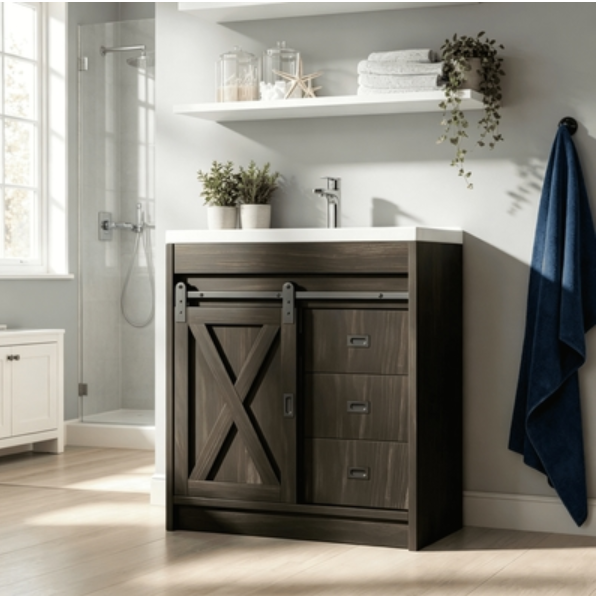
A freestanding bathroom cabinet sits directly on the floor.
This type of cabinet is available in many sizes and styles and can be easier to install than some built-in options.
Freestanding cabinets can provide substantial storage and may be useful when you want a furniture-style appearance.
They are available with doors, drawers, shelves, or combinations of these features.
Bathroom Vanity Cabinet
A bathroom vanity cabinet combines storage with a sink and countertop.
Vanities are among the most common bathroom storage solutions because they make efficient use of the space underneath the sink.
Depending on the design, a vanity can include drawers, cabinet doors, open shelves, or a mixture of storage options.
A well-planned vanity can become the main functional feature of a bathroom.
Medicine Cabinet
A medicine cabinet is typically designed for smaller personal items such as medications, skincare products, toothbrushes, and other bathroom essentials.
Many medicine cabinets are installed above the sink and may include a mirrored front.
Some modern designs are recessed into the wall, creating a cleaner appearance while maximizing available space.
Tall Bathroom Cabinet
A tall bathroom cabinet makes use of vertical space.
This option can be particularly useful in bathrooms with limited floor area because it provides considerable storage without requiring a wide footprint.
Tall cabinets can hold towels, toiletries, cleaning supplies, toilet paper, and other household items.
Corner Bathroom Cabinet
Corner cabinets are designed to make use of areas that might otherwise remain unused.
They can work well in smaller bathrooms where every available section of space matters.
A corner cabinet may provide useful storage while avoiding interference with the sink, toilet, shower, or bathtub.
How to Choose the Right Bathroom Cabinet Size
Size is one of the most important considerations when selecting bathroom storage.
Before buying a cabinet, measure the available wall or floor area carefully.
Consider the cabinet’s width, height, and depth rather than focusing only on its front dimensions.
You also need to account for doors and drawers. A cabinet may technically fit in a space but still be difficult to use if its doors cannot open fully.
Measure the distance between the cabinet and nearby fixtures such as the toilet, shower enclosure, bathtub, and doorway.
For a vanity cabinet, consider the sink position and plumbing connections.
A cabinet should provide useful storage without making the bathroom feel crowded.
Choosing a Bathroom Cabinet for a Small Bathroom
Small bathrooms require thoughtful storage solutions.
A wall-mounted cabinet can be a useful choice because it takes advantage of vertical wall space.
A mirrored medicine cabinet can provide both storage and a reflective surface without requiring a separate mirror.
Tall, narrow cabinets can also provide substantial storage while taking up relatively little floor space.
Another useful option is a vanity with drawers designed around the plumbing.
In a compact bathroom, avoid choosing oversized furniture simply because it offers more storage. A cabinet that overwhelms the room can make movement difficult.
Instead, look for storage that fits the proportions of the space.
Bathroom Cabinet Materials
The material of a bathroom cabinet affects its appearance, durability, maintenance requirements, and resistance to moisture.
Bathrooms naturally contain humidity and occasional water exposure, so material selection deserves careful attention.
Solid Wood
Solid wood cabinets can provide a warm and traditional appearance.
Different wood species offer different colors and grain patterns.
However, wood should be properly finished and maintained when used in areas exposed to moisture.
A quality protective finish can help improve resistance to everyday bathroom conditions.
Plywood
Plywood is commonly used in bathroom cabinetry because it provides good structural strength.
It can also be finished with paint, laminate, veneer, or other surfaces.
Quality and construction methods vary, so it is useful to inspect the cabinet’s overall build rather than judging the material name alone.
Medium-Density Fiberboard
MDF is a smooth engineered material commonly used for painted cabinet doors and panels.
It can create a consistent finish and is available in many styles.
Bathroom applications require appropriate finishing and protection from prolonged water exposure.
Laminate
Laminate surfaces are available in many colors and patterns.
They can be practical for contemporary bathroom designs and are often easy to clean.
The quality of the underlying construction and edge finishing is important because moisture can cause problems if water reaches vulnerable areas.
Bathroom Cabinet Colors
The cabinet color can have a major effect on the overall appearance of the bathroom.
White Bathroom Cabinet
White cabinets are a classic choice because they create a clean and bright appearance.
They work with many bathroom styles and can make smaller spaces feel more open.
White can also provide a simple background for colorful towels, decorative accessories, and wall finishes.
Gray Bathroom Cabinet
Gray cabinets can provide a modern and sophisticated appearance.
Light gray works particularly well in smaller spaces, while darker gray can create a stronger visual statement.
Gray can also complement white, black, natural wood, and stone-inspired surfaces.
Black Bathroom Cabinet
Black cabinets can create contrast and add a contemporary appearance.
They can work particularly well with white walls, light countertops, metallic hardware, and modern fixtures.
In a small bathroom, using black strategically can create an attractive focal point without making the room feel too heavy.
Natural Wood Bathroom Cabinet
Natural wood tones can make a bathroom feel warmer and more inviting.
Wood finishes work well with neutral tiles, stone-inspired surfaces, plants, and minimalist decor.
The exact appearance depends on the wood species, stain, finish, and surrounding materials.
Bathroom Cabinet Door Styles
The cabinet door design contributes to both appearance and functionality.
Shaker Cabinet Doors
Shaker-style doors have a simple framed design and are popular because they can work with traditional, transitional, and contemporary interiors.
Their straightforward appearance makes them easy to combine with different countertops and hardware.
Flat-Panel Doors
Flat-panel doors have a clean and minimal appearance.
They are especially popular in modern and contemporary bathrooms.
Their simple surface can create a streamlined look and may be easier to coordinate with other minimalist elements.
Glass-Front Cabinet Doors
Glass-front doors allow you to display selected bathroom items.
They can create an open and decorative appearance, although they require more organization because the contents remain visible.
Bathroom Cabinet Storage Features
The inside of a cabinet is just as important as the outside.
Adjustable shelves can help accommodate products of different heights.
Drawers can be useful for smaller items such as cosmetics, grooming accessories, and personal care products.
Pull-out organizers can make deep cabinets easier to use.
Dividers can keep small items from becoming mixed together.
Built-in compartments can also make it easier to organize everyday essentials.
When selecting a cabinet, think about what you actually need to store rather than focusing only on the cabinet’s overall size.
Bathroom Vanity Cabinet Storage Ideas
A bathroom vanity can become cluttered quickly if its storage is not planned properly.
Use shallow drawers for smaller personal items.
Keep frequently used products in the most accessible areas.
Use drawer dividers for cosmetics, grooming accessories, and other small items.
The cabinet area underneath the sink can be used for larger supplies.
Stackable containers can help make better use of vertical space.
A pull-out organizer can make items at the back of a deep cabinet easier to reach.
Bathroom Cabinet With Mirror
A bathroom cabinet with a mirror combines two useful functions in one piece.
This can be especially helpful in smaller bathrooms because it eliminates the need for separate wall space for a mirror and cabinet.
Mirrored cabinets can also make a bathroom feel brighter by reflecting light.
When choosing a mirrored cabinet, consider the mirror size, storage depth, lighting, door opening direction, and placement relative to the sink.
Modern Bathroom Cabinet Ideas
Modern bathroom cabinets generally focus on clean lines, simple shapes, and practical storage.
Flat-panel doors, minimal hardware, neutral colors, wall-mounted designs, and integrated handles can create a contemporary appearance.
A floating vanity with drawers can provide a sleek look while keeping some floor space visible.
Pairing a simple cabinet with a stone-inspired countertop and modern fixtures can create a cohesive bathroom design.
Traditional Bathroom Cabinet Ideas
Traditional bathrooms often benefit from cabinets with decorative details, framed doors, warm finishes, and classic hardware.
Wood finishes can add warmth, while white painted cabinetry can create a timeless appearance.
Brass or brushed-metal hardware can complement traditional-style fixtures.
The goal is to create visual consistency between the cabinet, vanity, mirror, lighting, and other bathroom features.
Minimalist Bathroom Cabinet Ideas
Minimalist bathrooms benefit from storage that keeps unnecessary visual details out of sight.
Choose cabinets with clean surfaces and simple hardware.
A neutral color palette can make the room feel calm and uncluttered.
Closed storage is particularly useful in minimalist bathrooms because it keeps everyday products hidden.
Floating cabinets can also contribute to a clean appearance.
How to Organize a Bathroom Cabinet
Good organization can make even a small cabinet much more useful.
Start by removing expired products and items you no longer use.
Group similar products together.
Keep everyday items in the easiest-to-reach locations.
Store occasional-use products farther back or higher up.
Use small containers or dividers for loose items.
Keep cleaning supplies separate from personal care products.
Towels and larger items can be stored in deeper cabinets or dedicated bathroom storage units.
An organized cabinet saves time because you can quickly find what you need.
Bathroom Cabinet Maintenance
Regular maintenance helps keep bathroom cabinetry looking attractive.
Wipe surfaces with a soft, slightly damp cloth when necessary.
Avoid allowing water to sit on cabinet surfaces.
Clean spills promptly, especially around the sink and countertop.
Follow the manufacturer’s recommendations for cleaning products because some finishes can be damaged by harsh chemicals.
Check hinges and handles occasionally to make sure they remain secure.
If a cabinet has adjustable shelves, inspect the shelf supports periodically.
Proper ventilation can also help reduce excessive moisture in the bathroom.
How to Protect Bathroom Cabinets From Moisture
Moisture is one of the biggest concerns with bathroom furniture.
Use exhaust fans or adequate ventilation to reduce humidity.
Avoid allowing standing water to remain on cabinet surfaces.
Dry wet areas when necessary.
Make sure plumbing connections under the sink are not leaking.
If you notice swelling, peeling, or discoloration, investigate the cause quickly.
A cabinet designed for bathroom use with appropriate finishes can provide better long-term performance than furniture not intended for humid environments.
Bathroom Cabinet Hardware
Handles and knobs may seem like small details, but they can significantly influence the appearance of a cabinet.
Brushed metal hardware can provide a contemporary look.
Matte black hardware can create contrast against lighter cabinetry.
Brass-style hardware can add warmth and work well with traditional or transitional designs.
Chrome can create a clean appearance and coordinate with many bathroom fixtures.
Choose hardware that feels comfortable to use and complements the rest of the bathroom.
How to Match a Bathroom Cabinet With the Vanity
The cabinet and vanity do not always have to be identical, but they should work together visually.
Matching colors can create a coordinated appearance.
Another approach is to use complementary materials.
For example, a wood vanity can be paired with a simple white storage cabinet, provided the colors and finishes work together.
The countertop, mirror frame, cabinet hardware, and lighting can help connect different pieces.
A consistent design theme generally creates a more polished bathroom.
Bathroom Cabinet Placement Ideas
Placement depends on the bathroom layout.
A cabinet above the sink can provide convenient access to daily essentials.
A tall cabinet can fit beside a vanity or in another unused vertical space.
A corner cabinet can make use of an awkward corner.
A wall-mounted cabinet can be positioned where it does not interfere with doors, windows, or fixtures.
Before installation, check clearance carefully.
The cabinet should be accessible without blocking movement through the bathroom.
Bathroom Cabinet Installation Considerations
Installation requirements depend on the cabinet style.
Freestanding cabinets generally require less structural installation than wall-mounted units.
Wall-mounted cabinets must be securely attached to appropriate wall support.
Vanity installation may also involve plumbing connections.
If electrical wiring, plumbing changes, or structural modifications are required, professional assistance may be appropriate.
Always follow the manufacturer’s installation instructions.
Correct installation is important for both safety and long-term cabinet performance.
How to Make a Small Bathroom Feel Bigger With Cabinets
A small bathroom can feel more spacious when storage is designed carefully.
Use vertical space instead of filling the floor area with wide furniture.
Light-colored cabinets can contribute to a brighter appearance.
Mirrored cabinet fronts can reflect light and visually expand the room.
Floating cabinets can leave some floor visible underneath.
Avoid excessive open shelving if it causes visual clutter.
The goal is to maximize storage while maintaining enough open space for comfortable movement.
Bathroom Cabinet Trends
Bathroom cabinet styles continue to evolve, but practical storage remains an important consideration.
Floating vanities are popular because of their clean appearance.
Integrated handles can create a streamlined look.
Neutral colors remain versatile because they work with many tile and countertop styles.
Natural wood finishes can add warmth to modern bathrooms.
Mixed materials can also create visual interest, such as combining wood cabinetry with stone-inspired countertops and metal hardware.
Regardless of trends, choose a cabinet based on your bathroom’s layout and your long-term needs rather than selecting a style simply because it is currently popular.
How to Choose a Bathroom Cabinet for a Family Bathroom
Family bathrooms usually require more storage than smaller guest bathrooms.
Consider cabinets with a combination of drawers, shelves, and larger compartments.
Keep frequently used items within easy reach.
Use separate storage sections for different family members if possible.
A larger vanity can provide useful shared storage.
For households with children, store potentially hazardous products safely and follow appropriate household safety practices.
Bathroom Cabinet Ideas for Guest Bathrooms
Guest bathrooms often need less storage but can still benefit from a well-designed cabinet.
A compact vanity can provide enough space for basic supplies.
A mirrored medicine cabinet can add both storage and functionality.
Simple white, gray, or natural wood cabinets can create a welcoming appearance.
Keep the cabinet organized so guests can easily find commonly needed items.
Bathroom Cabinet Ideas for Master Bathrooms
A master bathroom may provide enough room for larger storage furniture.
Double vanity cabinets can offer separate sink areas and additional storage.
Tall cabinets can provide space for towels and larger bathroom supplies.
Multiple drawers can make it easier to organize personal care products.
If the room is spacious, combining vanity storage with additional wall or freestanding cabinets can create a highly functional layout.
Final Thoughts
A bathroom cabinet is an important part of creating a functional, organized, and attractive bathroom. The right cabinet can provide valuable storage while also supporting the overall design of the room.
When choosing bathroom cabinetry, consider the available space, dimensions, storage requirements, material, moisture resistance, color, door style, hardware, and installation needs. A beautiful cabinet is useful, but a cabinet that fits your daily routine can make an even greater difference.
For small bathrooms, vertical and wall-mounted storage can help maximize limited space. Larger bathrooms may benefit from spacious vanity cabinets, tall storage units, or multiple coordinated cabinets.
Organization also matters. Adjustable shelves, drawers, dividers, and pull-out organizers can help you make better use of the available space and keep everyday items easy to find.
Whether your style is modern, traditional, minimalist, farmhouse, or contemporary, there are bathroom cabinet options that can complement your design. Focus on quality construction, practical storage, and a finish that works well with the conditions of your bathroom.
With thoughtful planning, the right bathroom cabinet can reduce clutter, improve everyday convenience, and give your bathroom a more polished and comfortable appearance.